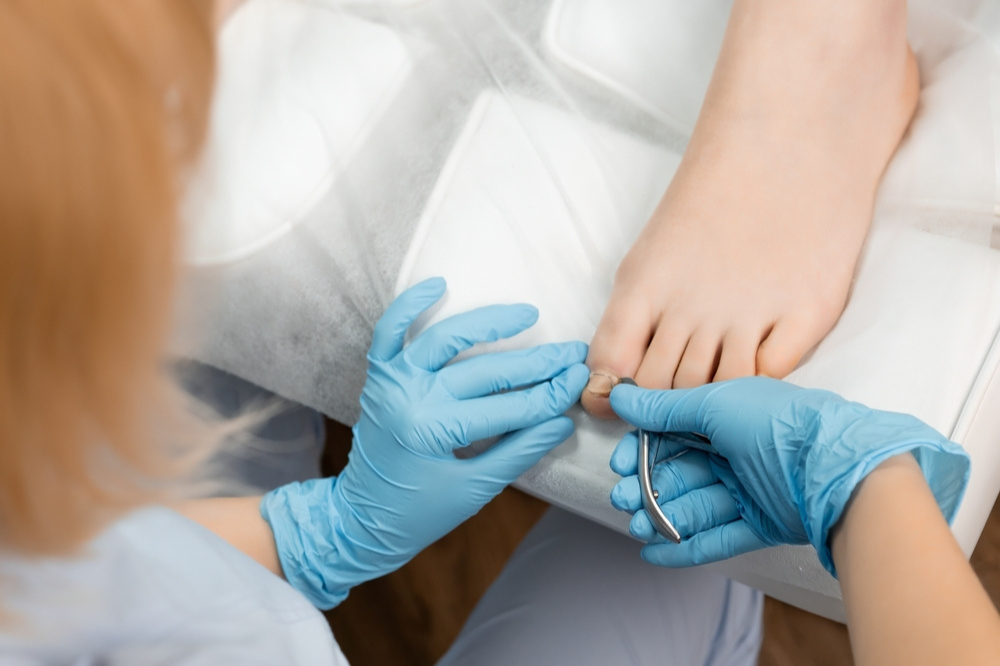

Daily tasks can be challenging due to foot pain. A neuroma, a painful disorder affecting the nerves in the foot, is one frequent cause. When symptoms begin to interfere with walking, exercising, or working, many people seek the neuroma treatment in Nashua. You can find relief before the illness worsens by being aware of the causes, symptoms, and available treatments.
What Is a Neuroma?
A neuroma, which is typically located between the third and fourth toes, is a thickening of nerve tissue. Morton’s neuroma is the most prevalent kind. The front portion of the foot may experience pain, burning, tingling, or numbness when the nerve is inflamed or compressed.
People often describe the feeling as if they are standing on a small pebble or a folded sock inside their shoe.
If symptoms persist, visiting a podiatry office in Nashua can help identify the cause and develop an appropriate treatment plan.
Common Causes of Neuroma
The chance of getting a neuroma might be raised by several circumstances, including:
- Wearing tight or narrow shoes
- High-heeled footwear
- Repetitive pressure on the forefoot
- Foot deformities such as bunions or hammertoes
- Flat feet or high arches
- High-impact sports and activities
Over time, repeated pressure can irritate the nerve, leading to painful symptoms.
Symptoms to Watch For
The symptoms of a neuroma typically develop gradually and may become more pronounced with exercise.
Common signs include:
- Pain in the ball of the foot that is sharp or searing
- Tingling sensations in the toes
- Numbness between the toes
- Feeling like there is an object inside the shoe
- Increased discomfort while walking
Early evaluation can prevent symptoms from worsening.
How Is a Neuroma Diagnosed?
A podiatrist will review your symptoms, medical history, and daily activities. A physical examination helps identify the affected nerve area.
To confirm the diagnosis and rule out other illnesses, imaging procedures such as an MRI or ultrasound may be advised.
Patients seeking a podiatrist near Dunstable often seek professional evaluation when foot pain begins to affect their quality of life.
Options for Effective Treatment
Fortunately, many patients get better without invasive surgery. The degree of symptoms and lifestyle choices determines the course of treatment.
Changes in Footwear
One way to lessen strain on the afflicted nerve is to wear shoes with a wider toe box. Supportive shoes frequently offer discernible alleviation.
Personalized Orthotics
Orthotic devices reduce forefoot strain and help evenly distribute weight. Both comfort and foot alignment can be enhanced with these inserts.
Activity Modifications
Reducing activities that place excessive pressure on the foot may allow the irritated nerve to heal.
Anti-Inflammatory Care
Anti-inflammatory drugs and ice therapy may help lessen discomfort and swelling. Before beginning any medical treatment, always follow expert medical advice.
Injection Therapy
Injections of corticosteroids may lessen inflammation and alleviate symptoms.
Neuroma Treatment Without Surgery
Anti-Inflammatory Treatment
Anti-inflammatory drugs and ice therapy may help lessen discomfort and swelling. Before beginning any medical treatment, always follow expert medical advice.
Injection Treatment
Injections of corticosteroids may lessen inflammation and alleviate symptoms.
Treatment of Neuromas Without Surgery
Many people who receive treatment for neuromas without surgery can successfully manage their symptoms. Conservative treatments sometimes include orthotics, physical therapy, shoe modifications, and targeted treatment plans designed to reduce nerve irritation.
Early intervention helps prevent long-term consequences and usually leads to better outcomes.
When Is Surgery Considered?
When conservative measures are ineffective, surgery may be suggested. Usually, the damaged nerve tissue is removed during the treatment. Although surgery is typically undertaken only after non-surgical options have been investigated, the majority of patients report considerable improvement after recovery.
Conclusion
Never disregard foot pain. Professional care can help you discover long-lasting relief if your symptoms interfere with your comfort or mobility.
Make an appointment with Heel To Toe Podiatry right now to start on the path to pain-free, healthier feet.
FAQs
What causes a neuroma?
The nerves are irritated by repeated pressure, tight shoes, foot structure abnormalities, or certain high-impact activities, and that’s what causes a neuroma.
Is it possible for a neuroma to repair itself?
Changes in footwear, reduced pressure, and early treatment can help with certain mild cases, but a professional examination remains crucial.
Does a neuroma hurt?
Indeed, scorching pain, tingling, numbness, and the feeling of standing on a pebble are common.
Are customized orthotics advantageous?
In addition to improving alignment and relieving pressure on affected nerves, custom orthotics often reduce walking discomfort.
When is the right time to see a podiatrist?
Make an appointment for an assessment if foot pain, tingling, or numbness persists, worsens, or begins to interfere with daily activities.